
Reading time: 7 minutes
For IT services companies, the ideal CRM is not a generic sales tool. It is a solution that understands the realities of staffing, gaps between contracts, and the sales cycle specific to the consulting industry. VSActivity is designed with these specific needs in mind: an all-in-one SaaS ERP that centralizes consultant tracking, RFP management, the sales pipeline, and billing within a single, ISO 27001-certified environment.
But before going any further, it’s helpful to understand what sets a true CRM for IT services companies apart from a traditional CRM that isn’t well-suited to their needs, and what criteria to consider when making the right choice.
What is a CRM?
A CRM (Customer Relationship Management) is software that allows you to centralize information and manage all interactions within your sales ecosystem. This tool is designed to support your customer relationship management efforts so you can understand and anticipate the needs of your stakeholders (customers, prospects, partners, and suppliers).
For IT services companies, this means effectively tracking business opportunities, automating administrative tasks, and maximizing customer satisfaction by offering personalized services.
All companies, whatever their field of activity, can integrate a CRM into their processes to optimize their sales cycle. A CRM is generally intended for the sales and marketing team.
How does CRM work?
The CRM functions as a centralized database accessible to all departments (sales, marketing, customer service, etc.). Employees enter their sales activities and various key data about third-party accounts and contacts into the system. This data is used to inform the strategic decision-making of executives (sending email campaigns, following up with prospects, making sales offers, etc.).
Here is an overview of how it works in an IT services company:
- Data collection: In the CRM, sales representatives enter information about prospects and customers (contact information, communication history, quotes, contracts, etc.).
- Task automation: Reminders, follow-up emails, and report generation are automated to increase productivity.
- Analysis and reporting: CRM enables the creation of dashboards and reports to analyze sales performance, identify opportunities, and optimize processes.
- Collaboration: From finance tosales administration —including sales representatives—teams can share information in real time, which promotes better coordination.
For IT services companies, these features are particularly useful for managing sales cycles that are often long and complex.
What are the benefits of a CRM for IT services companies?
More and more IT services companies are choosing to implement a CRM system to support their growth and improve customer satisfaction:
- Opportunity Tracking: IT services companies typically manage multiple projects and prospects simultaneously. With a CRM, you can track each sales opportunity from the initial contact through to the signing of the contract.
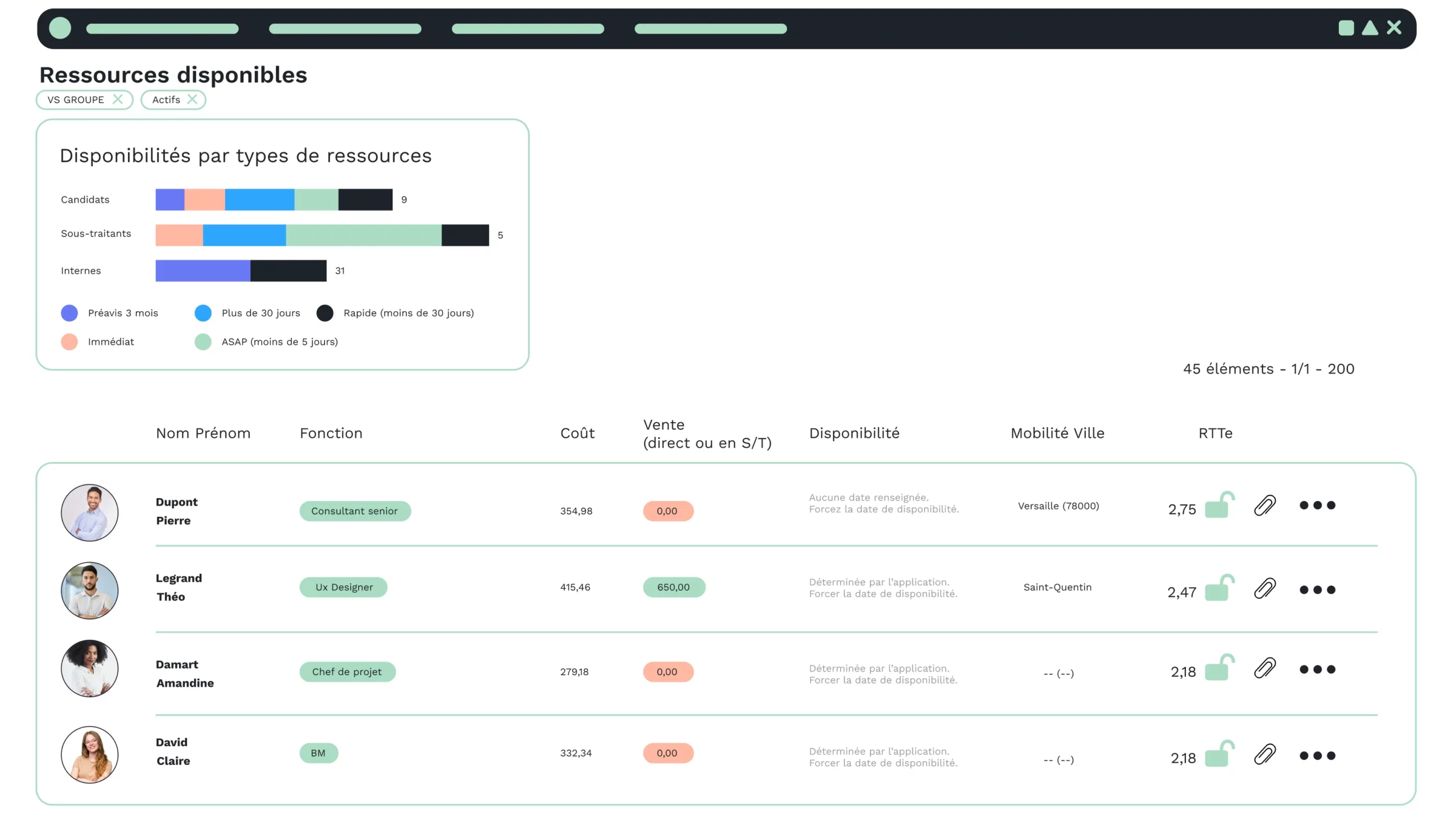
- Improved project management: With greater visibility into client needs, resource allocation for each project is simplified, especially if the CRM is connected to a line-of-business ERP system that allows you to view consultant availability.
- Optimizing Customer Relationships: Personalized interactions boost customer satisfaction and loyalty. Each customer profile contains the complete history of interactions between the IT services company and the customer, ensuring a better customer experience at every point of contact with the company’s teams.
- Increased productivity: By automating repetitive tasks, teams can focus on activities that add more value. Automatic reminders and notifications also help sales representatives better organize their work and ensure they never miss a deadline (renewals, contract signings, follow-ups on quotes, etc.).
What are the essential features of a CRM for IT services companies?
There are many features within a CRM system, depending on its area of specialization. Here are the most important ones:
Contact and Opportunity Management
You can organize your lists of prospects, customers, suppliers and partners. It’s a mine of information about your ecosystem.
Project and Resource Management
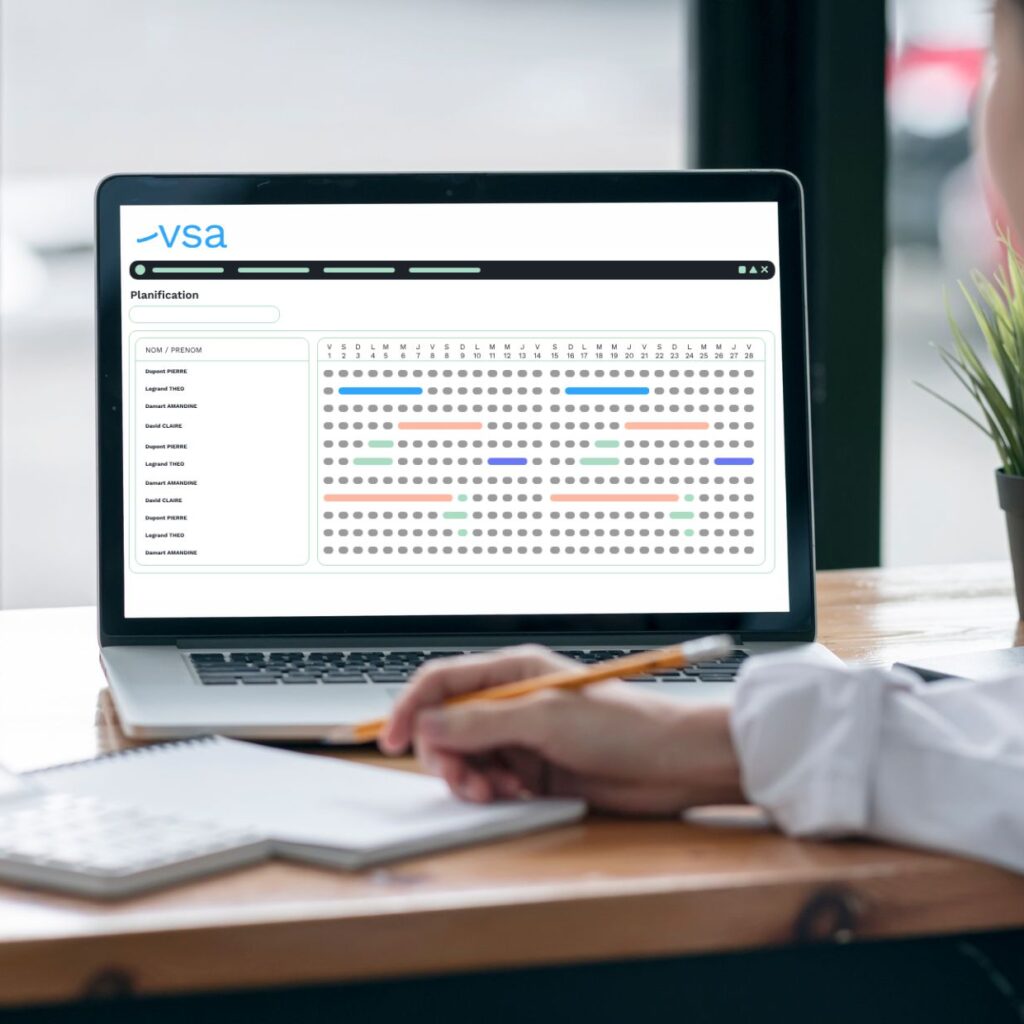
You can easily track consultant assignments across different projects, schedules, and budgets.
Reporting and dashboards
The tool is fed a wealth of raw data that, when analyzed in conjunction, provides you with valuable KPIs: sales trends, lead generation, conversion rates, revenue, and customer satisfaction.
Campaign management
You can send email campaigns to promote your offers and reach as many people as possible, with varying degrees of targeting depending on the quality of your data. If your CRM doesn’t include an email marketing tool, you can easily connect it to external tools.
Workflow Automation
You can streamline business processes within your IT services company, such as creating quotes or scheduling appointments. Integrating your CRM with your ERP system also makes it easier to manage invoicing and track customer payments.
Mobile use
Sales people are increasingly mobile. A CRM that can be accessed from anywhere is especially useful when your sales representative is on the road with prospects and customers. He can enter contact details, declare opportunities, …
Market forecast
Thanks to the data integrated throughout your activity, a CRM enables you to predict your sales trends.
There are, of course, many other CRM functionalities, but here are the ones found in most tools.
CRM functionalities help to structure the customer relations process, make data more reliable and save time: you know where to find information, it’s easy to access and always up to date.
How to Choose a CRM for IT Services Companies?
4 steps to choosing the best CRM for your business
Now that you know what a CRM is, understand its features, and recognize its value to your business, it’s time to identify the best CRM for your company.
To choose the best CRM for your business, here are 4 steps to follow:
1. Identify your needs, goals, and the characteristics of your IT services companies
- What are your sales targets? Marketing?
- Are you looking for a scalable solution?
- Do you need a mobile solution for your sales and marketing teams?
- Does the solution have to be compatible with other solutions?
- What is the size of your company: SME? Very Small Business? Mid-Sized Company? Large Corporation?
- How many customers, prospects, partners, and suppliers do you have?
- What are your growth prospects, and how do you see these needs evolving?
- What’s your budget?
2. Define the features that will meet your needs and objectives
Using the information from the previous step, you can define the features that interest you:
- After-sales service ?
- Quotation, order and invoice management?
- Replacing existing tools?
- Sending email campaigns?
- Database segmentation?
- Integration with other software?
3. Draw up a list of solutions meeting your criteria
Go to a search engine and type “CRM + [a feature]”
For example: CRM for IT services companies
Draw up a short list of solutions that meet your criteria and get in touch with each publisher.
4. Testing solutions
It’s essential that you test the different solutions. Many publishers offer trials and/or demos.
When testing the solution, you should keep in mind :
- Solution ergonomics
- Ease of use
- Ease of integration, especially with your employees
- Compatibility with your other solutions
- Cost and ROI (return on investment)
- Implementation time
- The answer to your needs
The VSActivity CRM Module for IT services companies
The CRM module of the VSActivity (vsa) ERP software offers a wide range of features to help you manage customer needs and expectations.
Manage customer and prospect accounts, contacts, lead generation, opportunities, quotes, orders, and much more. Discover all the features of vsa’s CRM.
Another benefit for your sales administration department: you don’t need separate software for invoicing. That’s also included in the VSActivity management software.
Now you have all the key steps for choosing the best CRM software for your business; after all, there isn’t “the best” software—there’s only THE best software for YOUR business. Be sure to add VSA to your list of solutions to try.